Signs of Low Testosterone in Men Over 30 and What They May Mean for Your Health

As men get older, it is natural to experience gradual changes in energy, strength, and overall performance. One of the key factors behind these changes may be related to testosterone levels.
Testosterone plays a central role in male vitality, influencing muscle development, energy production, motivation, and physical performance.
Because of this, many men begin paying closer attention to the signs of low testosterone, especially after the age of 30.
Recognizing these early signals may help individuals better understand how their bodies are changing over time.
Common Signs of Low Testosterone
Some commonly reported signs include:
- Low energy levels
- Reduced muscle mass
- Decreased motivation
- Increased body fat
- Changes in mood
- Lower physical performance
These changes may occur gradually and can vary from person to person.

1. Persistent Low Energy
One of the most common signs of low testosterone is a noticeable drop in daily energy levels.
Even after a full night of sleep, some men may still feel fatigued, which can impact productivity, focus, and overall motivation. Over time, this lack of energy may also affect consistency in exercise and daily habits.
2. Difficulty Maintaining Muscle Mass
Testosterone plays an important role in muscle development. Lower levels may make it more difficult to maintain or build muscle, even with consistent exercise.
This can lead to gradual changes in physical performance and body strength, especially when compared to earlier years.
3. Increase in Body Fat
Hormonal changes may also affect body composition. Some individuals notice an increase in body fat, particularly around the midsection.
This change may occur even without significant changes in diet, making it an important sign to observe.

4. Reduced Motivation and Drive
A decrease in motivation is another commonly reported sign.
Daily activities that once felt engaging may begin to feel more demanding or less rewarding, which can impact productivity and consistency in routines.
5. Mood Changes
Hormonal balance can influence mood. Some individuals report irritability, difficulty concentrating, or general changes in emotional well-being.
These changes are often subtle but can become more noticeable over time.ell-being.
6. Lower Physical Performance
Testosterone is closely linked to strength and endurance. Lower levels may impact performance during physical activities and recovery after exercise.
This can make workouts feel more difficult than usual.cise.
7. Decline in Overall Vitality
Many men describe a general decline in vitality, including reduced enthusiasm, stamina, and overall sense of well-being.
This broader effect is often what leads individuals to start exploring lifestyle adjustments.

What Can Influence Testosterone Levels?
Several lifestyle factors may contribute to hormonal changes, including:
- Poor sleep quality
- High stress levels
- Lack of physical activity
- Unbalanced nutrition
According to Mayo Clinic, maintaining a healthy lifestyle is essential for supporting overall hormonal balance.
How Lifestyle Habits Can Make a Difference
Daily habits play a significant role in overall wellness. Small adjustments in routine may help support energy levels and general vitality over time.
Some commonly recommended habits include:
- Maintaining a consistent sleep schedule
- Engaging in regular physical activity
- Managing stress levels
- Following a balanced and nutrient-rich diet
These factors are often considered foundational when looking at long-term health and performance.
What Causes Low Testosterone in Men Over 30?
Testosterone levels may naturally change over time, but several factors can influence how noticeable these changes become.
Some of the most common factors associated with the signs of low testosterone include:
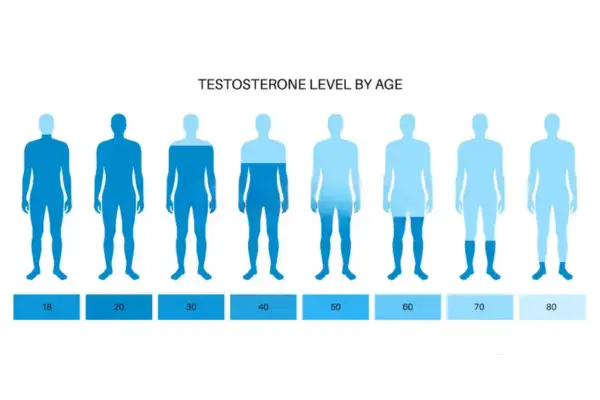
- Aging – Testosterone levels typically begin to gradually decline after the age of 30
- Poor sleep quality – Lack of consistent sleep may impact hormonal balance
- High stress levels – Chronic stress may influence overall well-being and energy levels
- Lack of physical activity – Sedentary habits may contribute to reduced vitality
- Unbalanced diet – Nutritional habits play an important role in overall health
According to Mayo Clinic, lifestyle choices are closely connected to long-term health and hormone function.
Understanding these factors may help individuals take a more proactive approach to maintaining their overall wellness.
Natural Ways to Support Testosterone
Many individuals exploring the signs of low testosterone also look for ways to support their overall vitality through daily habits.
Some commonly considered strategies include:
- Regular physical activity
- Balanced and nutrient-rich diet
- Consistent sleep routine
- Stress management techniques
These foundational habits are often seen as part of a broader approach to long-term wellness.
Some individuals also explore supplementation options designed to complement these habits.
Looking to support your energy and vitality?
Many men exploring the signs of low testosterone also take a closer look at different approaches to hormonal balance, including lifestyle strategies and supplementation options.
Learn more about available solutions in our Testosterone Support category and discover options that may complement your wellness routine.
External Reference
For additional educational insights, you can explore resources from Harvard Health Publishing, which provides general health information on hormonal balance.
Frequently Asked Questions About Low Testosterone
What are the most common signs of low testosterone?
The most common signs of low testosterone include low energy, reduced muscle mass, changes in mood, and decreased physical performance.
At what age does testosterone start to decline?
Testosterone levels typically begin to gradually decline after the age of 30, although the rate of decline may vary between individuals.
Can lifestyle habits affect testosterone levels?
Yes, factors such as sleep quality, stress, physical activity, and diet may influence overall hormonal balance and energy levels.
Are the signs of low testosterone the same for everyone?
No, the signs of low testosterone may vary from person to person depending on lifestyle, age, and overall health.
Final Thoughts
Recognizing the signs of low testosterone is an important step toward understanding how the body changes over time.
While these changes may be gradual, staying informed and maintaining healthy lifestyle habits may help support long-term energy, strength, and overall vitality.
For those exploring their options, learning about different approaches to testosterone support can be a helpful next step in building a well-rounded wellness routine.